The $160 Rush Job: How Chair-Turnover Pressure Led to an Injury and a Reputation Collapse
May 22, 2026
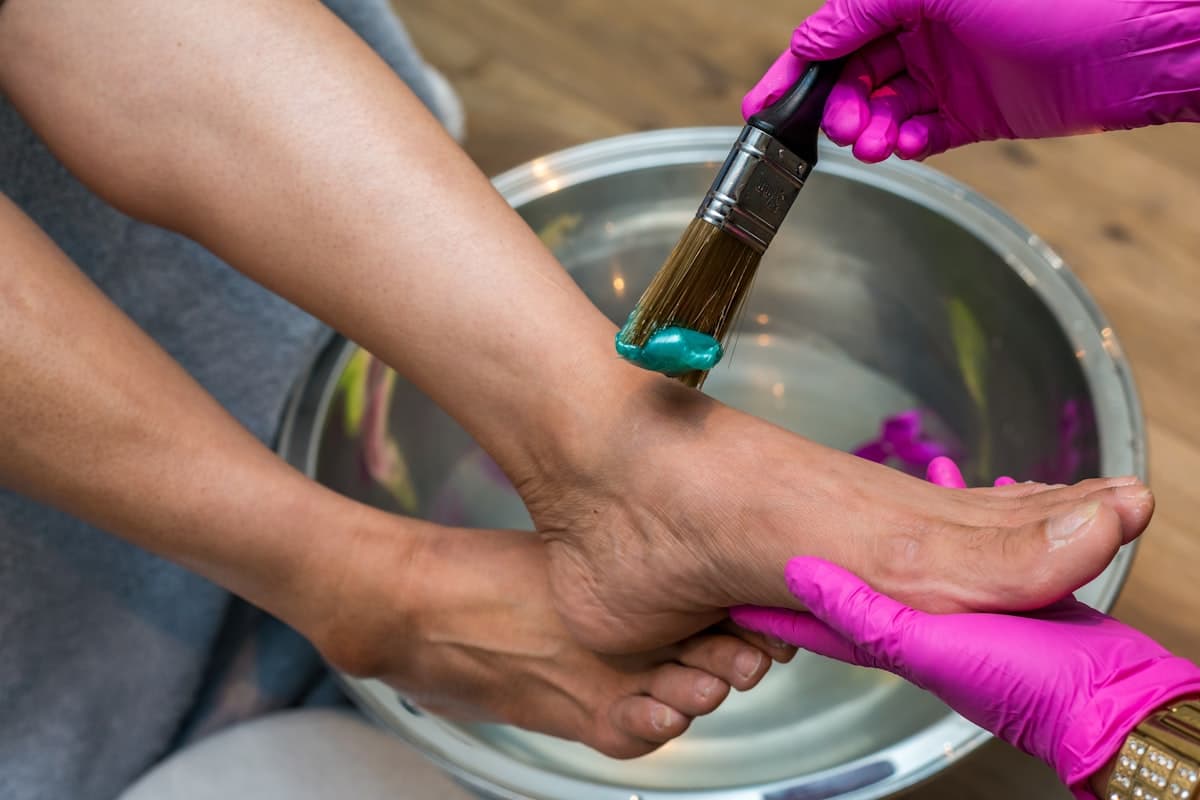
Photo: Unsplash/Rune Enstad
Table turnover is one of the oldest financial pressures in the service industry: more clients through the chair each hour means more revenue, and slow days invite shortcuts on the days that are busy. The following case study follows a fictional salon, "Serenity Nail Bar," through two incidents that trace directly back to that pressure — a tool-safety failure that caused a minor injury, and a "simultaneous service" experiment that damaged two client relationships in a single afternoon. Neither incident was caused by a single bad employee. Both were the predictable result of a business optimizing for chair-hours instead of service quality, in a segment where quality is the entire product.
The Foot-File Injury — and the Decision to Charge Full Price Anyway
On a Saturday afternoon with a fully booked schedule, a technician at Serenity Nail Bar was assigned back-to-back pedicure appointments with only minutes of buffer between them. Under pressure to keep the schedule moving, she used a metal foot file on a client's heel with more speed and pressure than the tool is designed for, aiming to finish callus removal in a fraction of the normal time. The result was a skin abrasion on the client's heel — not a severe injury, but enough to require a bandage, a brief apology from the technician, and a client who left the salon in mild pain rather than the relaxed state a pedicure is supposed to produce.
What turned a tool-safety lapse into a lasting incident was what happened next at the front desk. Management's policy, applied without exception, was that services were billed at full price regardless of outcome. The client was charged the complete pedicure rate — no discount, no comp, no acknowledgment that the service itself had caused the injury. From the client's perspective, the salon had hurt her and then handed her a full bill for the privilege. The technical failure (rushing a tool built for gradual, controlled pressure) was compounded by a policy failure (no mechanism for adjusting price or service when something goes wrong physically to a client). Either one alone would have been a bad day. Together, they became the story the client told everyone she knew.
The $160 "Simultaneous Service" Disaster
Weeks later, in an effort to squeeze more revenue from peak hours, a shift lead began assigning a single technician to run two clients' premium services at once — alternating between them every few minutes rather than completing one before starting the next. One such booking involved a $160 package combining a deluxe spa pedicure with a gel manicure, sold to two clients seated in adjacent stations under the assumption that both would receive full, focused attention.
In practice, each client received a fraction of the technician's time and attention at any given moment. Polish application was rushed and uneven between coats, the spa pedicure's massage and soak steps were cut short to keep pace with the manicure happening in parallel, and the technician — stretched between two premium services simultaneously — grew visibly curt and short with both clients when they asked questions or requested adjustments. Neither client received the $160 experience they had paid for; both received a compressed, divided-attention version of it, delivered with noticeably less warmth than the price point implied.
Simultaneous service is not inherently a bad practice — many salons run efficient dual-station models with adequate staffing. The failure here was structural: one technician, one set of hands, two premium services sold as if each would get full individual attention. The gap between what was sold and what was deliverable was built into the booking itself.
The PR and Reputational Fallout
Both incidents surfaced publicly within the same review cycle, and the pattern in the feedback was consistent and specific. Reviewers did not simply say the service was disappointing — they explicitly told other prospective clients not to book, and several drew a direct line between the price charged and the quality delivered, noting that a $160 service should not come with divided attention and a rushed finish, and that an injury during a pedicure should never be billed at full price without so much as an offered discount.
That specificity is what made the fallout durable. Vague complaints fade; complaints that name a dollar amount, describe exactly what went wrong, and end with "don't go here" are the ones that get screenshotted, shared, and remembered by people who were never Halcyon Nail Bar clients in the first place. For a business positioned at a premium price point, the reputational damage was compounded by the mismatch itself: clients expect luxury pricing to buy time, attention, and care. When it instead bought a rushed foot file and a divided-attention manicure, the price tag became evidence against the business rather than a signal of quality.
Lessons for Salon Owners
- Never rush tools designed for gradual, controlled use. Foot files, exfoliation devices, and similar tools carry injury risk when speed or pressure is increased to save time. Tool-specific technique should never bend to scheduling pressure.
- Train technicians explicitly on pressure and pacing, not just technique. "How to use a foot file" and "how fast you're allowed to use a foot file under a full schedule" are two different training modules. Most safety incidents happen at the intersection of correct technique and incorrect speed.
- Never charge full price for a service that caused physical harm. At minimum, an injury during a service should trigger an immediate discount or comp and a direct apology — not a full invoice delivered as though nothing happened.
- Don't sell simultaneous premium services from a single technician's divided attention. If a booking model can't deliver the full, focused experience implied by the price, either staff it properly or don't offer it as a simultaneous option.
- Align pricing with actual, deliverable service quality. Premium pricing sets a premium expectation. In competitive beauty and wellness markets, a rushed service at a top-tier price does more brand damage than the same rushed service at a budget price.
- Build a real incident-response protocol for on-site injuries. Front-line staff need a clear, immediate playbook — first aid, an apology, and a billing adjustment — rather than defaulting to "policy is policy" in the moment.
- Protect service time before protecting the schedule. A fully booked day is only good for the business if every appointment on it is delivered at the standard clients are paying for. A schedule that requires rushing tools or dividing attention is overbooked, regardless of what the calendar shows.
The throughline in both incidents is the same: shortcuts taken to protect chair-turnover math showed up first as safety and quality failures, and only afterward as revenue lost to cancellations, refunds, and reviews that actively steered new clients away. In a service built on trust, close physical contact, and repeat visits, the turnover a business gains by rushing is almost always smaller than the business it loses once clients start comparing notes.
Related Stories

US Beauty Award August 2026 Spotlight Honors Verified TOP Salons Across the United States
The US Beauty Award announces seven Verified TOP Salon recipients for August 2026, recognizing beauty establishments across six states for their commitment to quality, craftsmanship and client care.

US Beauty Award Unveils High-Level Jury Panel to Strengthen Independent Beauty Standards
US Beauty Award has announced its High-Level Jury Panel, bringing together specialists across artistry, hospitality, customer psychology, brand strategy and salon operations to support an independent and professional evaluation framework.

Pressured to Upgrade, Then a Rushed Job: Respecting the Client's Package at Gilbert Nail Lounge
A fictional case study for salon owners: how pressuring a client to upgrade, then turning rude and rushing the work after she declined, produced a premium-priced pedicure that came out worse than a basic one.