The Five-Star Work and the Awkward Ask: How Pressuring a Client to Review Mid-Service Undercut a Flawless Manicure at Dior Nails Bar
July 12, 2026
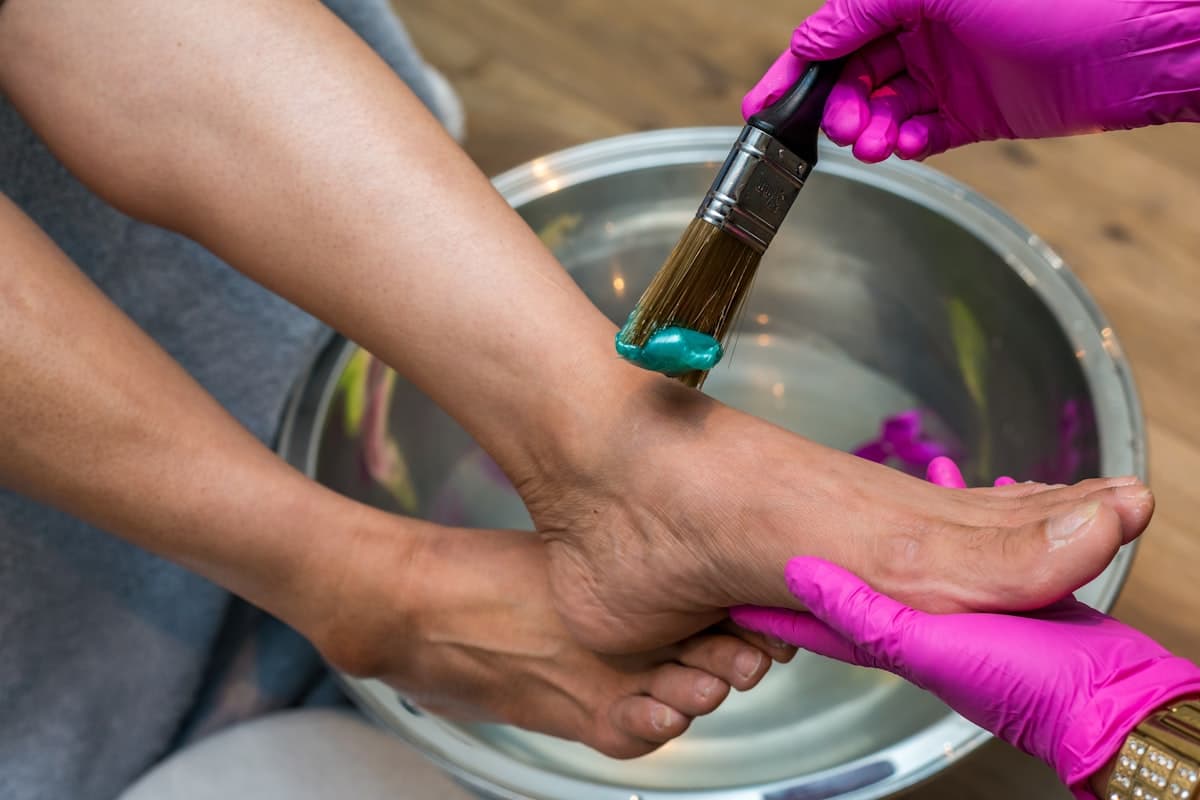
Photo: Unsplash/Rune Enstad
Technical skill is only half of what a client walks out remembering. The other half is how the surrounding experience feels — the checkout, the pricing, and the small social moments in the chair. The following case study walks through a fictional salon, "Dior Nails Bar," where the actual nail work was excellent, yet the customer left with a distinctly mixed impression. The lesson is a subtle but important one: a great result can still produce a tepid review when the experience around it creates friction, and the most self-defeating friction of all is pressuring a happy client for that review before she's even out of the chair.
"Leave a Review — Right Now": When the Ask Becomes Pressure
By every technical measure, the appointment was a success. The technician, "Anna," did excellent work, and the client was delighted with how her nails turned out. If the visit had ended on craft alone, it would have earned an unqualified five stars.
The problem began with timing. While Anna was still working — with one of the client's hands drying and unable to even hold a phone — she repeatedly asked the client to leave a review right then and there. The client had every intention of leaving a positive one; she simply would have preferred to do it on her own time. Being asked over and over, mid-service and physically unable to comply, transformed a willing, satisfied customer into a slightly uncomfortable one. The very moment meant to secure a glowing rating is what introduced the first sour note into her experience.
Payment Friction: Apps Only, No Card
The second surprise came at checkout. The salon accepted only Venmo, Zelle, Cash App, and PayPal — no credit cards. For an established business, the client reasonably expected card payment to be an option, and its absence created an unexpected scramble at the worst possible moment: the end of an otherwise pleasant visit. Payment method is part of the service promise; discovering the limitation only at the register reads as a lack of preparation, not a policy choice.
A Discount That Didn't Quite Add Up
A sign outside advertised 20% off any service. When Anna quoted $60, the client pointed to the sign, and the price was revised to $50. Technically, 20% off $60 should have come to $48. The client didn't quibble — she paid the $50 and still left a cash tip — but the two-dollar gap, small as it is, is exactly the kind of detail that quietly erodes trust. An advertised discount that isn't applied precisely makes a customer wonder what else isn't being calculated in their favor.
The Verdict: Happy With the Nails, Cooler on the Experience
Crucially, the client's bottom line was positive: she loved her nails and acknowledged the quality of the work. But her closing sentiment — that the customer experience "could be improved a bit" — is the review every owner should fear more than an angry one-star rant. It's the sound of a satisfied customer who nonetheless won't be an enthusiastic advocate, all because of friction that had nothing to do with the actual craft.
Lessons for Salon Owners
-
Let reviews come to you. Never pressure a client to post one mid-service. A single, low-key mention at the end — or a card with a QR code they can use later — converts far better than repeated asks, and it never makes the client feel cornered.
-
Mind the physical reality of the ask. A client with wet nails literally cannot use her phone. Timing a request for a moment when she's unable to act only creates awkwardness.
-
Offer card payment, or disclose methods upfront. If the salon only takes payment apps, that needs to be visible before the service begins — on the booking page, at the door, and in the chair — not sprung at the register.
-
Honor advertised discounts to the dollar. If the sign says 20% off, apply exactly 20%. Getting the math wrong on a promotion you chose to run signals carelessness and undercuts pricing trust.
-
Remember what a lukewarm review costs. Loved work plus a friction-filled experience nets a "pretty good, but…" rating — and those quietly cap a salon's reputation more than any single bad day.
The takeaway is almost paradoxical: Dior Nails Bar did the hard part right and stumbled on the easy parts. Excellent nails were undermined by an aggressive review request, an inflexible payment setup, and a two-dollar discount error — none of which cost anything to fix. When the craft is already this strong, tightening the experience around it is the cheapest reputation upgrade a salon can make.
Related Stories
US Beauty Award August 2026 Spotlight Honors Verified TOP Salons Across the United States
The US Beauty Award announces seven Verified TOP Salon recipients for August 2026, recognizing beauty establishments across six states for their commitment to quality, craftsmanship and client care.

US Beauty Award Unveils High-Level Jury Panel to Strengthen Independent Beauty Standards
US Beauty Award has announced its High-Level Jury Panel, bringing together specialists across artistry, hospitality, customer psychology, brand strategy and salon operations to support an independent and professional evaluation framework.

Pressured to Upgrade, Then a Rushed Job: Respecting the Client's Package at Gilbert Nail Lounge
A fictional case study for salon owners: how pressuring a client to upgrade, then turning rude and rushing the work after she declined, produced a premium-priced pedicure that came out worse than a basic one.